Introduction
As a homeowner in Wenatchee, Washington, maintaining your plumbing system is crucial to ensuring a comfortable and functional living space. While some plumbing issues may require professional intervention from experts like DNM Plumbing, there are several common problems you can tackle on your own. This beginner-friendly guide is designed to help Wenatchee homeowners navigate simple plumbing fixes, saving you time and money in 2026.
Essential Plumbing Tools for Beginners
Before diving into repairs, it's important to equip yourself with the right tools. Here’s a list of essential plumbing tools every beginner should have:
- Plunger: A must-have for clearing clogged toilets and drains.
- Pipe Wrench: Useful for tightening and loosening pipes and fittings.
- Basin Wrench: Perfect for working in tight spaces, especially under sinks.
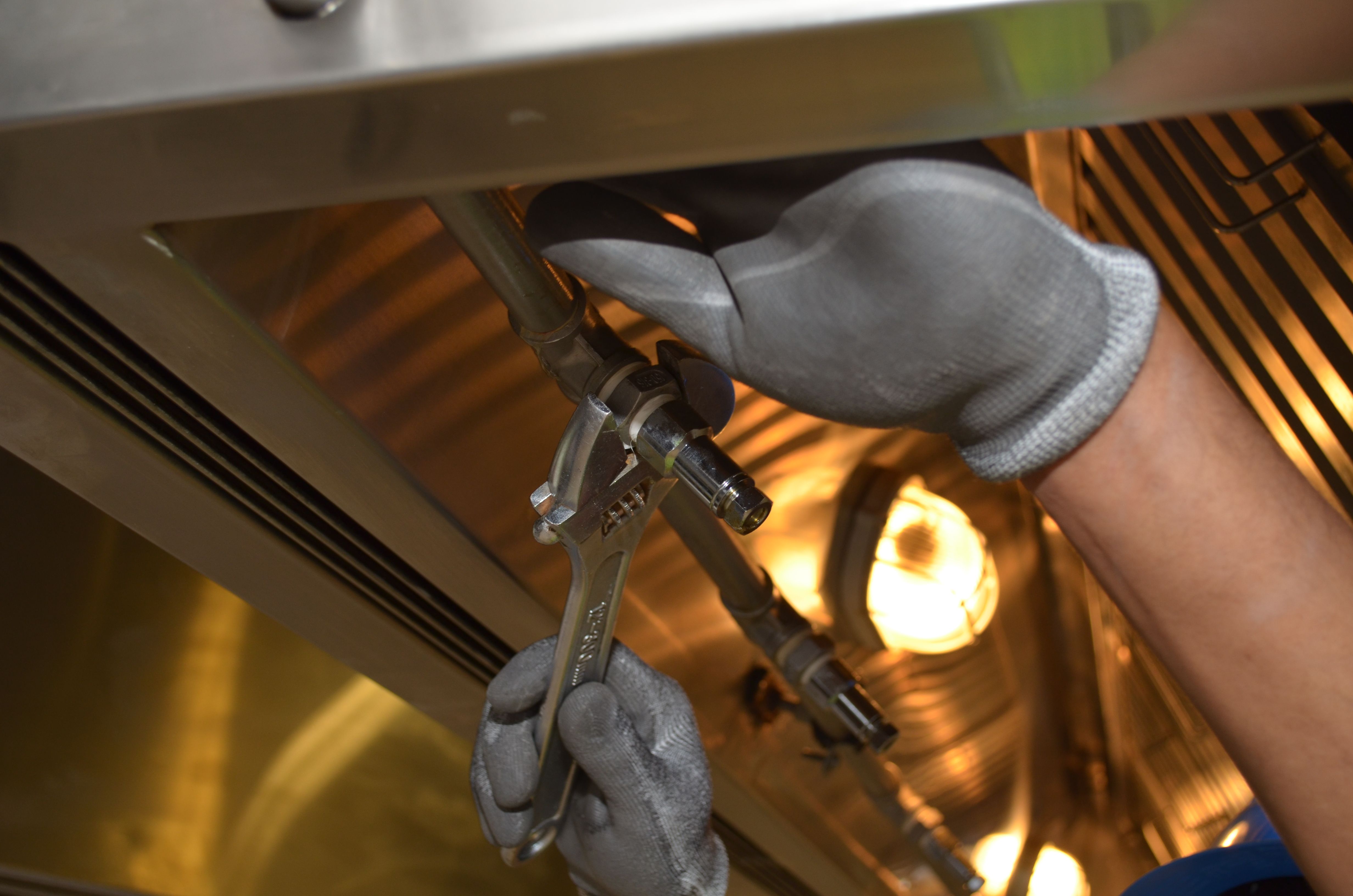
- Adjustable Wrench: Versatile for various nut and bolt sizes.
- Pliers: Handy for gripping and twisting components.
- Teflon Tape: Helps ensure a watertight seal on threaded pipe connections.
How to Fix a Leaky Faucet
Step 1: Identify the Type of Faucet
Faucets typically fall into four categories: compression, ball, cartridge, and ceramic disk. Knowing your faucet type helps in sourcing the correct replacement parts.
Step 2: Turn Off the Water Supply
Locate and turn off the water supply to the faucet. This is typically found under the sink.
Step 3: Disassemble the Faucet
Carefully remove the faucet handle by unscrewing it. Keep track of all parts and their order of removal.
Step 4: Replace Worn Out Components
Inspect washers, O-rings, or seals for wear and replace with new ones. Reassemble the faucet and turn the water supply back on to test for leaks.
Unclogging a Slow-Draining Sink
Step 1: Use a Plunger
Place a plunger over the drain and ensure a tight seal. Plunge vigorously to dislodge any blockage.
Step 2: Clean the P-Trap
If plunging doesn’t work, place a bucket under the P-trap (the curved pipe beneath the sink) and unscrew it. Remove any debris and rinse the trap before reattaching.
Step 3: Use a Drain Snake
If the problem persists, a drain snake can help clear deeper clogs. Insert it into the drain and twist until you feel resistance, then pull out debris.
Toilet Troubleshooting: Fixing a Running Toilet
Step 1: Check the Flapper
A worn flapper is often the culprit of a running toilet. Turn off the water supply, remove the tank lid, and inspect the flapper for damage.
Step 2: Adjust the Float
If the flapper is intact, adjust the float to ensure it stops the water at the correct level. This can prevent overflow and continuous running.
Step 3: Replace Faulty Parts
If adjustments fail, consider replacing the flapper or fill valve to resolve the issue.
When to Call a Professional Plumber
While these DIY tips can help with simple plumbing issues, some problems are best left to professionals. If you encounter major leaks, persistent drainage issues, or suspect pipe damage, contact DNM Plumbing for expert assistance in Wenatchee.
Conclusion
DIY plumbing can be a rewarding and cost-effective way to manage minor home maintenance. By understanding basic tools and techniques, Wenatchee homeowners can address common plumbing issues efficiently. Remember, when in doubt, professional plumbers like those at DNM Plumbing are just a call away to ensure your home's plumbing system is in top condition.